



Production of industrial brakes and clutches
There production of industrial brakes and clutches It represents a technical field in which materials, processes, and know-how determine the reliability of components intended for machinery, vehicles, and various types of systems. Discover the characteristics, production methods, and applications of friction systems used in industrial contexts, integrating the historical experience of the Linot Dr. Stefano, active in the sector since 1921. The aim is to provide a clear and structured overview, useful for understanding how the main braking devices are made and which elements influence their performance.
The evolution of industrial friction systems
The production and optimization of braking systems have undergone significant transformations over the years, thanks to the introduction of innovative materials and cutting-edge manufacturing techniques, which allow for unprecedented precision. Furthermore, quality control processes have become increasingly rigorous, ensuring high standards and safety in the final products.
In this ever-evolving context, the Linot Dr. Stefano has consolidated specific and highly specialized skills in the production of friction elements for diverse and increasingly demanding sectors. The company stands out for its approach, which synergistically combines manufacturing tradition, the fruit of years of experience in the field, with continuous technological updating and the adoption of cutting-edge solutions, thus ensuring products that not only meet market needs but also anticipate future trends.
Production processes and dedicated manufacturing
The production of industrial brakes and clutches involves several crucial stages, from the meticulous selection of raw materials—essential for ensuring the final quality of the product—to detailed machining, all the way to final testing, which ensures each item meets the required standards. Each step of this process requires both precision and careful monitoring of production parameters to avoid defects and ensure the reliability of the finished product.
In this context, the use of CNC machinery, molding systems, and highly specialized finishing stations allows us to obtain products that are not only consistent, but also characterized by extremely tight tolerances and consistent characteristics over time. These advanced technologies are essential to maintaining high quality standards and meeting the growing demands of the industrial market, where performance and reliability are paramount.
Friction materials and their characteristics
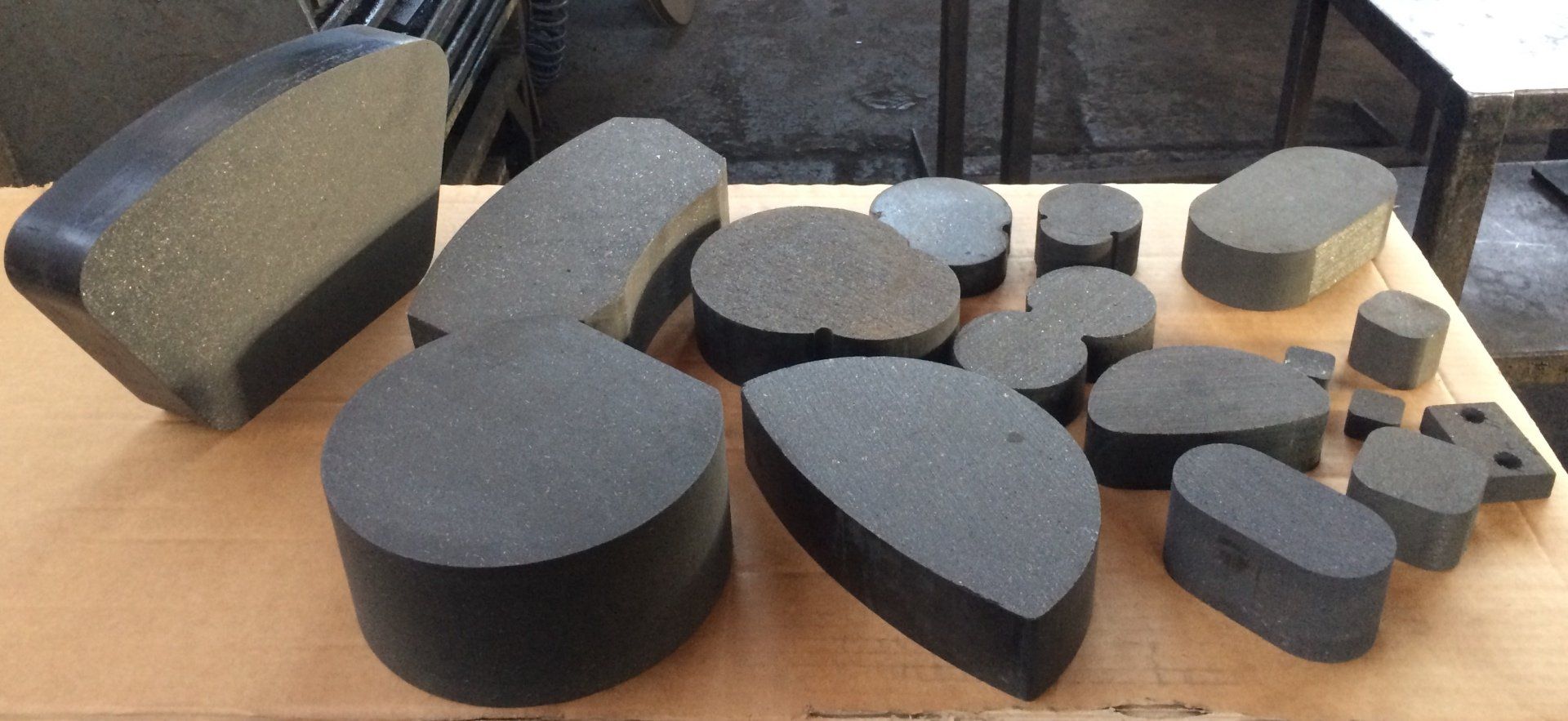
The choice of friction materials is a fundamental aspect in the production of braking components. Different compounds are used depending on the operating environment, including composite materials, technical fibers, and metal alloys.
Each typology is designed to guarantee characteristics such as:
- high temperature resistance
- stability over time
- constant coefficient of friction
- durability even under continuous stress conditions
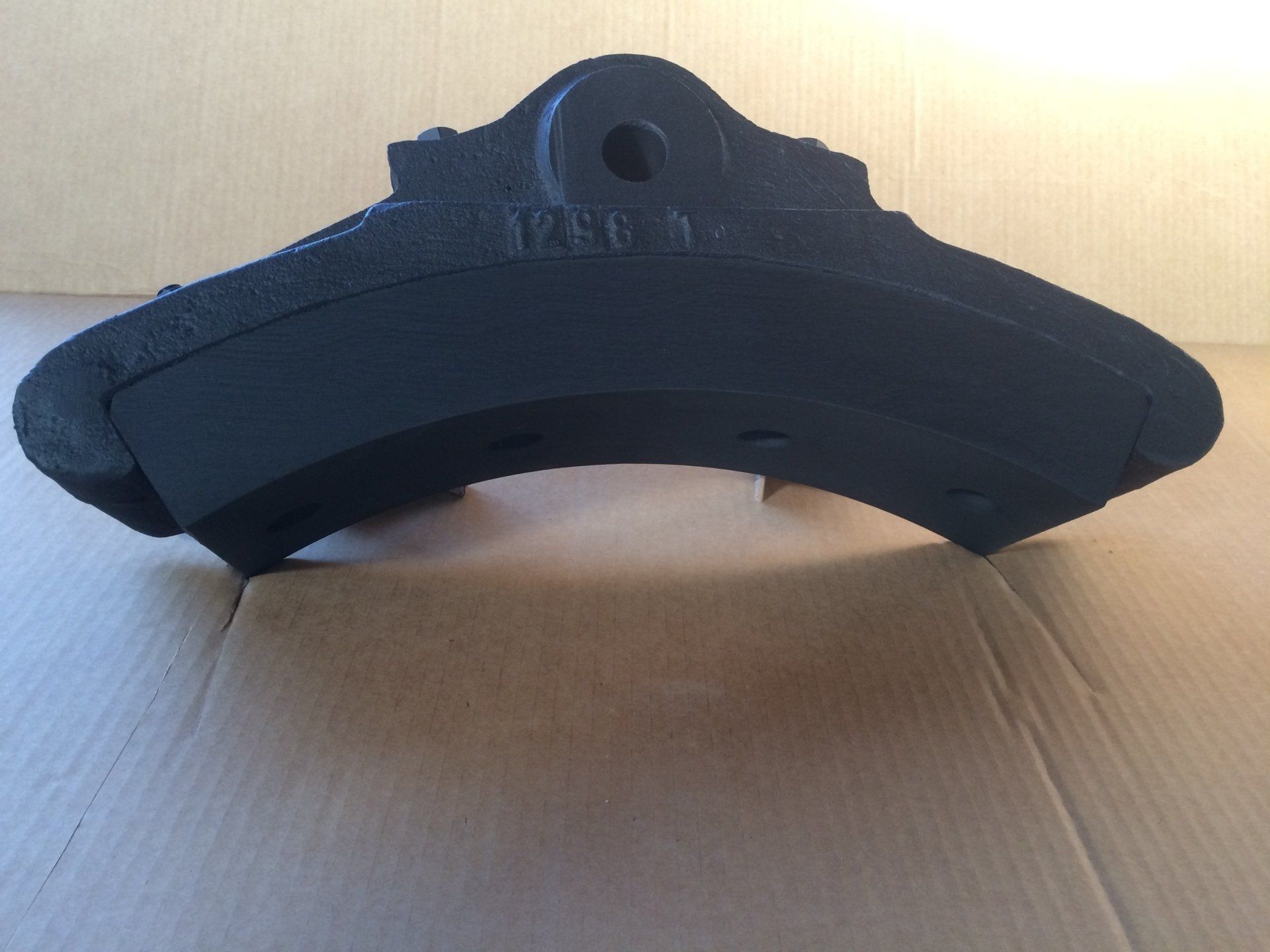
These materials find application in the production of brake pads, brakes for industrial applications, railway blocks, boat components and other products we manufacture.
Quality control and technical checks
Quality control is an essential component in ensuring the reliability of braking devices. Components are tested to verify:
- uniformity of the material
- thermal behavior
- mechanical resistance
- performance in real-world conditions
These tests help ensure that products meet the standards required by industrial applications and the most complex operating environments.
Applications and sectors of use
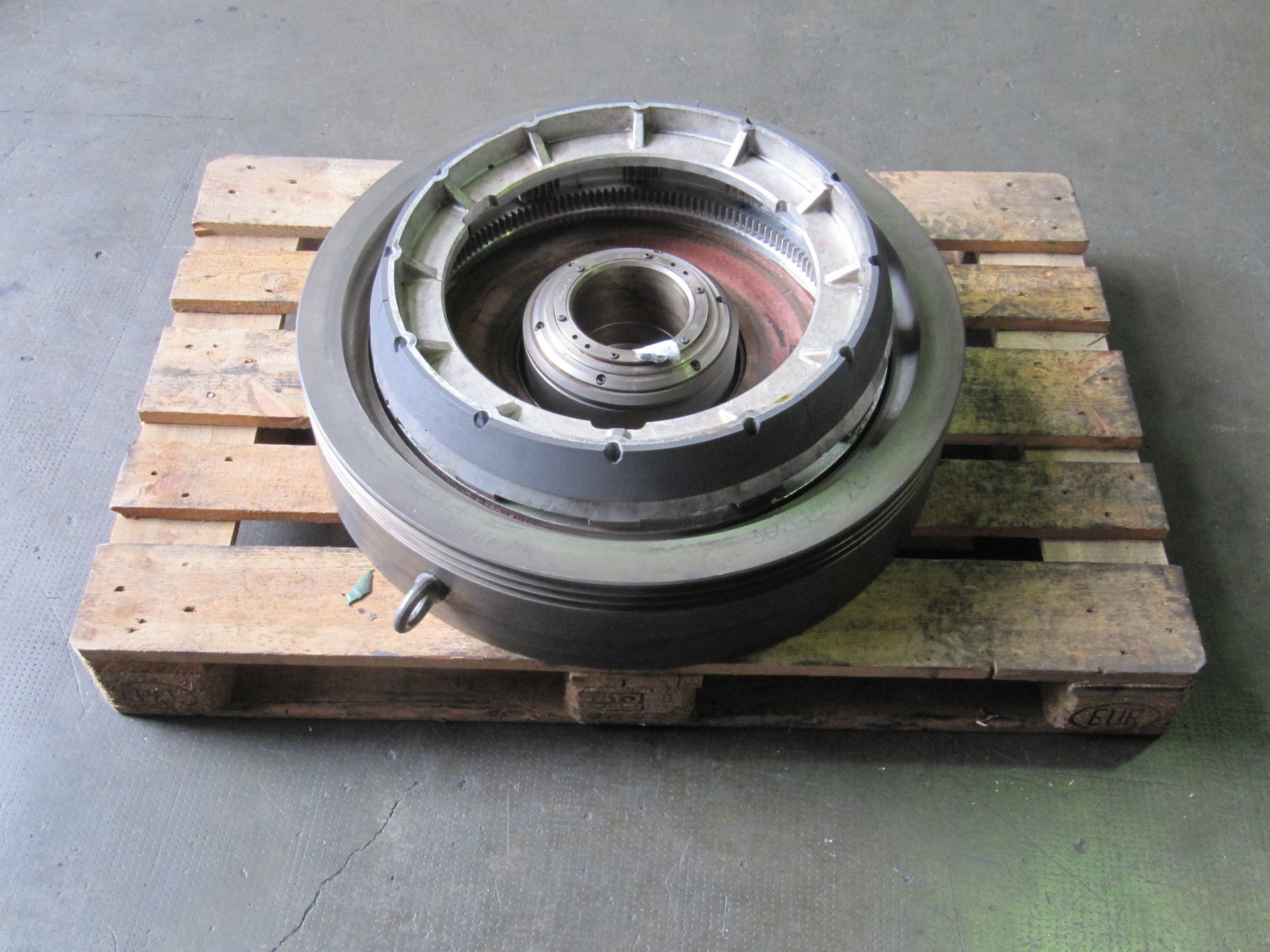
The components developed in the friction systems sector are used in fields such as railways, marine, construction machinery, and industrial plants. The design versatility allows brakes and clutches to be adapted to specific needs, ensuring long life and controlled operation over time. The experience of Linot Dr. Stefano in the creation and revision of devices it allows for a wide range of solutions used in different sector contexts.
What materials are used in the production of industrial brakes and clutches?
Composite materials, technical fibres and metal alloys are used, selected based on thermal resistance and the required performance.
Which industries use industrial friction components most frequently?
The main sectors are railways, nautical, industrial machinery and plants that require reliable braking systems.
What does quality control in friction products consist of?
Includes tests on strength, thermal stability, coefficient of friction and simulated tests under operating conditions.
Are there specific processes for overhauling industrial brakes and clutches?
Yes, it includes disassembly, cleaning, replacement of friction materials and final testing.
What experience does Dr. Stefano Linot have in the sector?
The company has been operating since 1921 and has developed specialized skills in the production and overhaul of industrial friction components.
Do you need more information about our products or would you like to request a quote?
Contact the Linot Dott. Stefano company in Beinasco (TO) immediately at the number
39 011 3490322
or to the email address
glinot@tin.it



